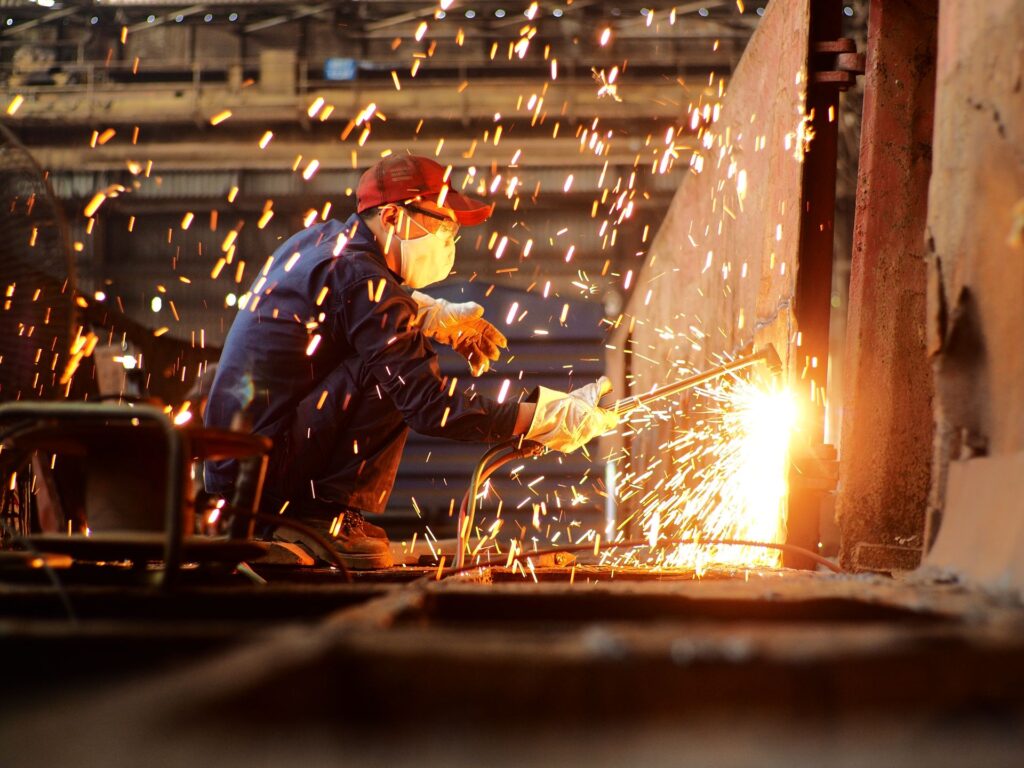
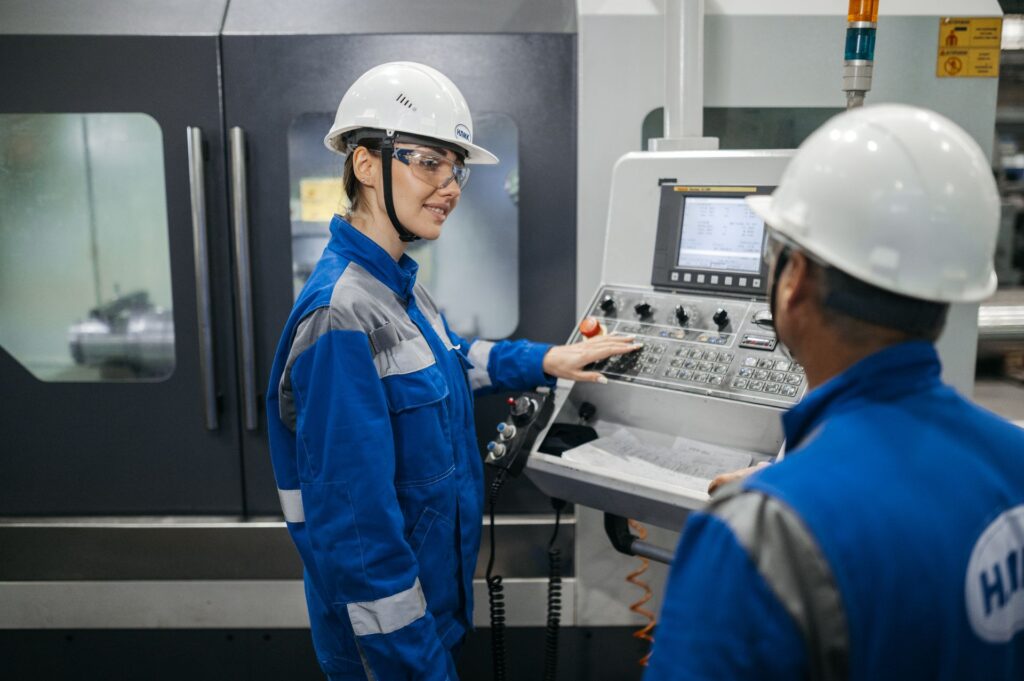
An empty seat on the line doesn’t show up as a line item, but it’s costing you every shift it stays open.
An unfilled production role isn’t a line on a headcount report. It’s lost output, overtime spend, and delayed orders stacking up every day the seat stays empty. Manufacturers that quantify that cost make faster, better staffing decisions.
But your facility isn’t the only one going through a manufacturing staffing shortage. One difficulty is that technological advancements are outpacing the skills people need to keep up with changes. New processes and innovative machines, when they come down in price or when manufacturers see a competitive advantage, may not be backed by people with the skills to run and manage a line.
Keep reading to learn how to close the manufacturing workforce gap by looking at how production line staffing solutions come into play.
The Manufacturing Workforce Gap by the Numbers
A 2024 report by The Manufacturing Institute states that the scale of the skills gap is a nationwide issue, and it is predicted to keep growing. Manufacturers may need as many as 3.8 million new employees by 2033. As many as 1.9 million of those skilled positions, or 50%, could remain unfilled if the applicant and skills gaps aren’t addressed.
Can your plant handle a manufacturing staffing shortage? You can have all the best automation, processes, AI-backed software, and IoT sensors to help produce top-of-the-line items to ship to customers. But if you lack the people to run the line, a shortage of skilled trades staffing for manufacturing will cause delays, lost hours, and customer attrition.
As many as 65% of manufacturers say attracting and retaining top talent is their primary challenge, according to the National Association of Manufacturers. So, it’s not a niche problem. The manufacturing workforce gap is widespread.
It’s Not Just a Headcount Problem
The manufacturing staffing shortage isn’t about a lack of workers but about younger workers not having the skills they need to keep up with change. Younger workers also want flexibility in work arrangements and a culture that rewards them for upskilling, notes the American Society of Mechanical Engineers.
One main workplace benefit that younger workers want is acquiring the necessary skills for job security and longevity. Employees are 2.7 times less likely to leave in the next 12 months if they have the skills important for the future, according to a 2024 report by the Manufacturing Institute and Deloitte.
Demand for specialized skills like simulation software has risen roughly 75% over the past five years, says HSI. Simulation software requires specialized insights that can have ripple effects across the entire company. These advanced programs are one reason why the fastest-growing roles are technology-enabled production and testing positions, according to Manufacturing Drive. Other types of computer technology leverage connected devices and integrated systems, meaning the open seats increasingly require different qualifications than the ones they replace.
An empty seat is more than just an absence when it comes to workforce costs. Unfilled production jobs cost your company customers, vendors, and reputation.
What an Empty Seat Costs
Skilled trades staffing for manufacturing roles does more than solve the problem of workforce shortages. Every open seat has a compounding cost. You may have to pay overtime for existing staff, which could lead to burnout. Slower throughput leads to delays in producing batches. Delays might create missed delivery windows that ripple into customer relationships. Losing customers affects everything in your company.
But it all starts with an open seat, then two, then three. Unfilled production jobs cost real money over time despite the initial savings on staffing. Fortunately, having production line staffing solutions can prove to be a lifesaver for your firm.
Retention Is a Staffing Strategy
Workforce retention has a direct financial impact. Upskilling your workers offers a production line staffing solution beyond just a training initiative. Remember, employees are less likely to leave if they feel they can build new skills.
For sales, it’s easier to upsell current customers than obtain new ones. Likewise, it’s easier to upskill current employees than to train new ones. Partnering with a staffing agency that specializes in skilled trades staffing for manufacturing can alleviate the financial pressures of the manufacturing workforce gap without hiring untrained full-time equivalents.
Contact Snelling to Help with a Manufacturing Staffing Shortage
Snelling assists manufacturers around the United States in filling roles with candidates matched to the actual skills the line needs, not just a warm body. Reach out to your local Snelling office to talk to a staffing expert about how they can mitigate the challenges of workforce shortages at your facility.
FAQ
How does Snelling match candidates to the specific skills a production line needs?
We assess candidates against the actual skills your line requires, including familiarity with automation and simulation tools, rather than placing a general applicant and hoping they adapt.
Can Snelling help reduce overtime costs tied to unfilled production roles?
Yes. Filling open seats faster reduces the overtime burden on your existing staff, which helps prevent the burnout that leads to further turnover.
Does Snelling support upskilling as part of a production line staffing solution?
We match candidates who are positioned to grow with your operation, which supports the kind of retention-focused staffing strategy that reduces repeat vacancies.
How fast can Snelling fill a skilled production role?
Our local offices maintain a pool of qualified manufacturing candidates so you’re not starting a search from scratch when a critical role opens.
Does Snelling work with manufacturers across multiple facility locations?
Yes. With locally owned offices nationwide, multi-facility manufacturers can work with a consistent staffing partner while still benefiting from local market knowledge at each site.