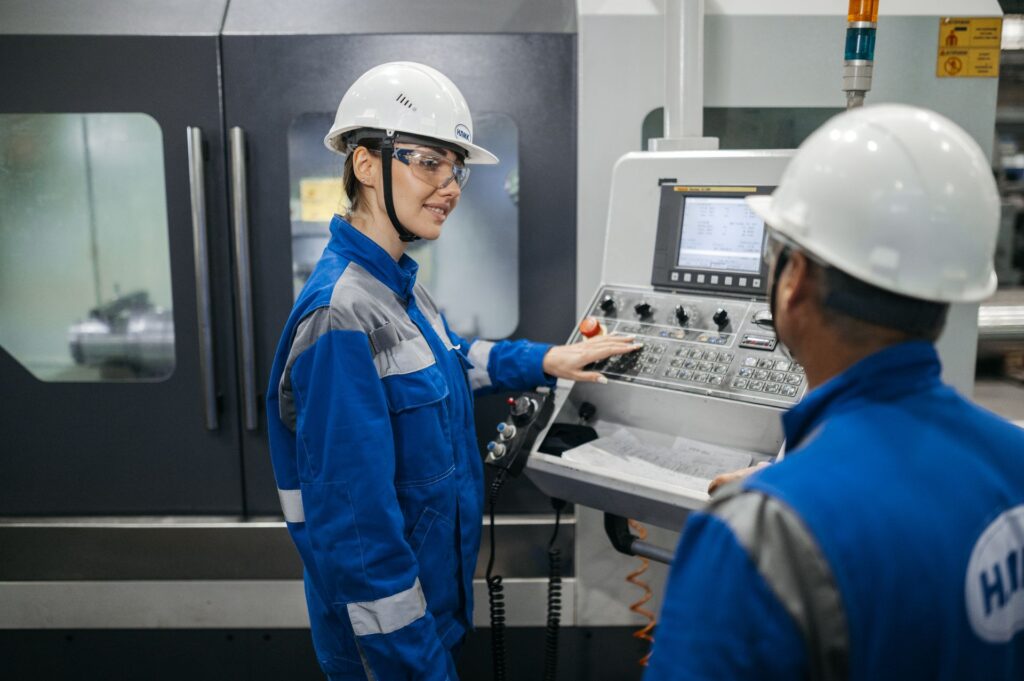
A production line rarely stops with a dramatic bang. More often, it slows down by one empty station at a time. A callout becomes a bottleneck, the bottleneck becomes overtime, and yesterday’s manageable gap starts showing up in today’s output report.
Flexible production staffing support gives plant leaders another lever to pull. It won’t replace sound scheduling, training, or retention. It can, however, help you add qualified people where the line is tightest, protect your core team from constant overtime, and scale headcount as orders change.
Start With the Constraint, Not the Headcount
“We need 20 people” sounds clear, but it leaves the most important question unanswered: where does the work slow down? Walk the process from receiving through packaging, and identify the station that sets the pace. Then define the roles, skills, shift, physical requirements, and training needed around that constraint.
This matters because manufacturing demand is uneven. The BLS job openings and hiring survey reported 7.3 million job openings across the U.S. economy in July 2026, while hires totaled 5.1 million. Those economy-wide figures don’t describe one plant, but they do show why simply posting more jobs may not produce an instant crew.
Build the request around specifics:
- Station and task: assembly, machine tending, inspection, material handling, or packaging
- Required experience: tools, equipment, measurements, documentation, or quality checks
- Shift conditions: hours, breaks, temperature, noise, standing, lifting, and overtime expectations
- Success standard: output, accuracy, attendance, safety, and learning milestones
Use a Blended Workforce Like a Pressure Valve
A blended model combines a stable core team with flexible associates who can cover predictable surges, absences, launches, and backlogs. Think of it as a pressure valve. You’re not rebuilding the whole system every time demand rises; you’re giving the system room to adjust.
Three common approaches are:
- Temporary staffing assignments for peaks, special projects, and coverage.
- Temp-to-hire staffing assignments when you want to evaluate performance and fit on the job.
- Direct hire recruiting for harder-to-find production leaders, technicians, and specialized roles.
The right mix depends on how long the need will last and how much role-specific preparation is required. A two-week packaging push and a permanent maintenance opening shouldn’t travel through the same hiring lane.
Protect Safety While Moving Quickly
Speed should make the handoff sharper, not thinner. OSHA’s temporary worker guidance says staffing firms and host employers share responsibility for a safe workplace. In practice, your staffing partner needs an accurate job description, and you as the host employer needs to provide site-specific orientation, hazard information, equipment instruction, and supervision.
Before the first shift, agree on:
- Who provides each part of training
- Which personal protective equipment is required and who supplies it
- Which machines or areas are off-limits
- How incidents, near misses, and assignment changes are reported
Ergonomic risks deserve attention, too. OSHA notes that lifting, bending, reaching, pushing, and repetitive tasks can expose workers to musculoskeletal risk factors. Rotate tasks where appropriate, explain safe methods, and don’t quietly expand a worker’s duties after the assignment begins.
Make the First Week a Working Interview
Production experience matters, but so do pace, attention, communication, and reliability. The first week gives supervisors real evidence. Use a short scorecard instead of a vague thumbs-up or thumbs-down.
Track attendance, safe work habits, quality, learning speed, and teamwork. Check in after the first shift, again after several days, and before any conversion decision. Small corrections made early are like tightening a belt before it slips off the pulley.
For temp-to-hire roles, tell the associate what good performance looks like and when decisions are reviewed. A clear path tends to produce better conversations than an open-ended “we’ll see.”
Measure Whether Flexible Staffing Is Helping
Don’t judge the program only by how many people arrive. Compare quantifiable business results before and after the staffing change.
This could include:
- Output per scheduled hour
- Unplanned overtime
- Scrap, rework, and missed quality checks
- Absence-related downtime
- Time to reach expected productivity
- Assignment completion and conversion rates
Build the Plan Before the Line Gets Tight
Give your staffing partner forecasts, common role profiles, shift calendars, training requirements, and realistic lead times. Then set a fast escalation path for surprises. Snelling’s local teams can learn the rhythms of your facility, while broader recruiting resources can support employers with needs across multiple markets.
When the line changes, share the change. A revised shift, heavier lift, different machine, or longer assignment can affect recruiting, preparation, and safety. Clear information keeps everyone pulling in the same direction.
Ready to get started? Get started with flexible staffing the Snelling way today
Frequently Asked Questions
What production roles can Snelling’s local staffing offices help fill?
Depending on the market and requirements, Snelling offices can fill a variety of roles, including assemblers, packers, machine operators, material handlers, quality inspectors, maintenance technicians, and production supervisors.
How much notice should we give for production staffing?
More notice usually creates more options, especially for large crews, off shifts, specialized skills, or screening requirements. Still, local Snelling offices often fill urgent staffing needs when the role is clearly defined.
Is temp-to-hire useful for production roles?
Yes, it is. Snelling’s temp-to-hire staffing model gives both the employer and associate time to evaluate the work, schedule, performance, and fit before a permanent hiring decision, subject to the agreed terms.
Who handles site-specific safety training?
When it comes to safety training, Snelling shares responsibility with our clients. Our local offices tend to focus on general safety best practices, while host employers are usually best positioned to explain site hazards, equipment, emergency procedures, and daily supervision. It’s essential to confirm ownership in advance.
How do we reduce first-week attrition?
Employee retention is big concern across the country. To improve attrition from week to week, Snelling suggests that you provide an accurate job preview, clear arrival instructions, a prepared supervisor, structured training, and quick feedback. The job someone meets should match the job they were promised.
What should we measure besides attendance?
Track safe work habits, quality, output, learning speed, overtime, assignment completion, and conversion results. Those measures show whether added headcount is improving the operation.